How Mebendazole Became an Essential Medicine for Global Deworming Programs
🌍 Introduction
For decades, Mebendazole has stood as one of the most trusted and affordable medicines in the fight against intestinal worm infections (helminthiasis).
Recommended by the World Health Organization (WHO) and included in its Model List of Essential Medicines, Mebendazole has become a cornerstone of global deworming programs across Asia, Africa, and Latin America.
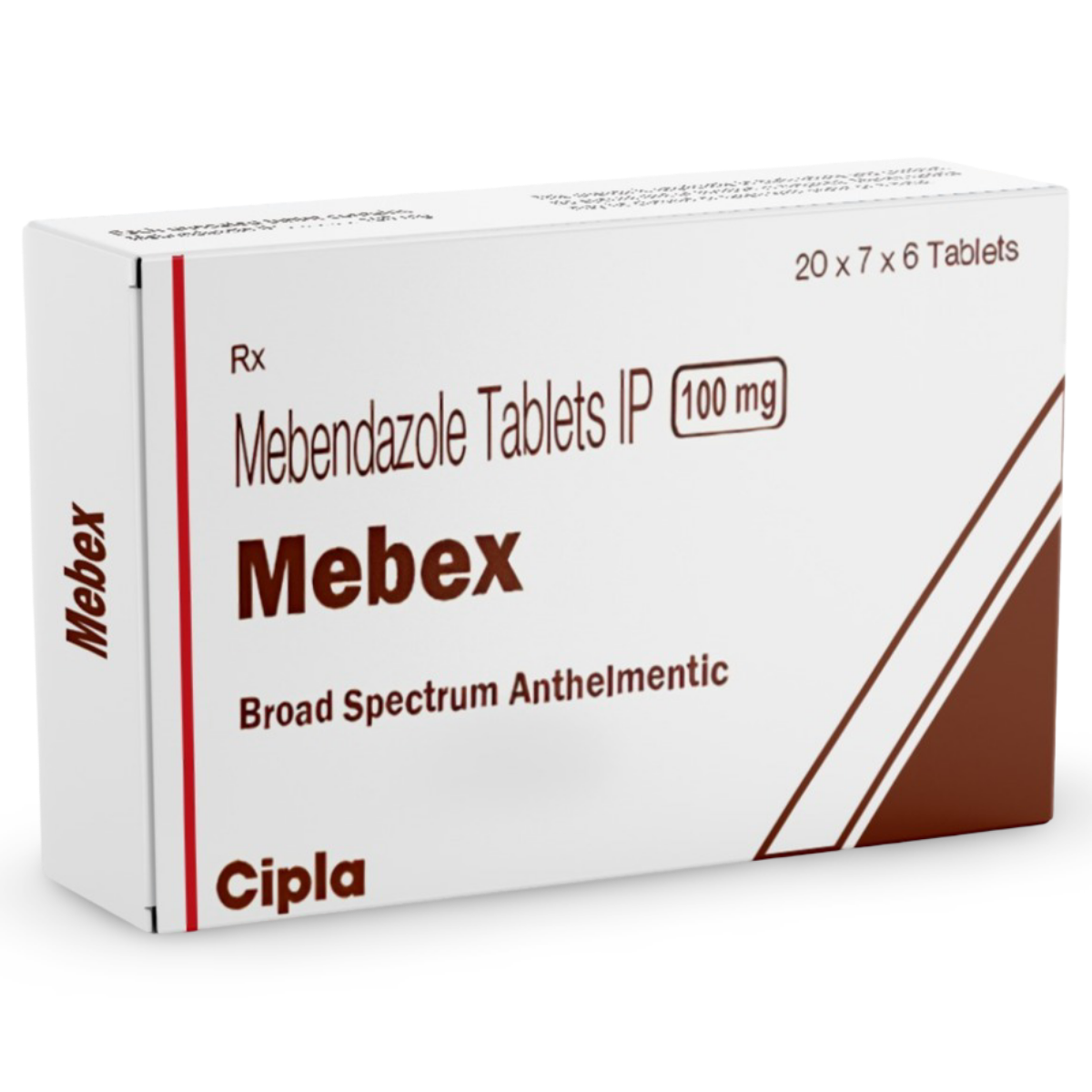
At Global Meds Export, we are proud to be part of this humanitarian mission — supplying WHO-GMP certified Mebendazole 100mg and 500mg tablets worldwide to improve health, nutrition, and quality of life in vulnerable communities.
1. The Global Problem: Intestinal Worm Infections
Over 1.5 billion people — nearly one in four humans — are infected with intestinal worms caused by soil-transmitted helminths (STH).
These include:
Roundworms (Ascaris lumbricoides)
Whipworms (Trichuris trichiura)
Hookworms (Ancylostoma duodenale, Necator americanus)
Worm infections are most common in warm, humid climates where sanitation is poor and hygiene access is limited. Children are especially vulnerable, facing consequences such as:
Malnutrition and anemia
Impaired cognitive development
Growth stunting and reduced school performance
Recognizing this burden, WHO and UNICEF launched mass deworming initiatives, and Mebendazole became their frontline weapon.
2. What is Mebendazole?
Mebendazole is a broad-spectrum antiparasitic drug belonging to the benzimidazole class.
It works by blocking glucose uptake in parasitic worms, depleting their energy stores, which leads to immobilization and death of the parasites inside the human intestine.
Because of its:
High efficacy against multiple worm species
Low toxicity and minimal absorption into the bloodstream
Ease of use (single or short-course dosing)
Low cost and global availability
Mebendazole quickly became the preferred choice for mass deworming programs worldwide.
3. A Brief History of Mebendazole
Mebendazole was first introduced in the early 1970s by Janssen Pharmaceutica as part of the ongoing effort to control parasitic diseases in tropical regions.
Initially developed as a clinical medicine, its excellent safety record and effectiveness in school-based deworming led to rapid adoption by global health agencies and NGOs.
By the late 1990s, the World Health Organization (WHO) officially added Mebendazole to its Model List of Essential Medicines, cementing its role as a global health standard.
4. How Mebendazole Works in Deworming
The mechanism of Mebendazole is simple but powerful.
It binds to parasitic microtubules, inhibiting their ability to absorb nutrients such as glucose. Without energy, the worms die slowly and are expelled naturally through normal bowel movement.
Because Mebendazole acts locally in the intestine and is minimally absorbed, it’s:
Safe for both children and adults
Compatible with large-scale, community-based administration
Effective in single-dose formats (e.g., 500mg once or 100mg twice daily for 3 days)
This makes it ideal for mass deworming programs, where millions of doses are distributed with minimal supervision.
5. WHO and UNICEF Deworming Initiatives
The World Health Organization (WHO), in partnership with UNICEF, World Bank, and several non-governmental organizations, launched global deworming programs in the 2000s targeting school-aged children.
🎯 Program Objectives:
Reduce infection rates by 75% in high-burden countries
Improve nutritional status and learning outcomes in children
Enhance immunity and disease resistance
Break the cycle of poverty and malnutrition
💊 Role of Mebendazole:
Mebendazole 100mg and 500mg tablets are used extensively because:
They are easy to administer (chewable and single-dose options available)
They do not require refrigeration
They have few side effects and high compliance rates among children
They are cost-effective, making large-scale programs sustainable
6. Impact of Deworming Programs
Since Mebendazole’s inclusion in WHO programs, the results have been remarkable.
📈 Key Achievements:
Over 1 billion children dewormed globally between 2001 and 2022.
In countries such as India, Bangladesh, Kenya, and Indonesia, worm infection rates dropped by over 60–80%.
Improved school attendance, nutritional status, and cognitive performance in children.
Enhanced public hygiene awareness and sanitation practices as part of integrated health campaigns.
These outcomes have made Mebendazole an indispensable tool in public health policy across developing and middle-income nations.
7. Why Mebendazole is Preferred Over Other Anthelmintics
While several antiparasitic agents exist, Mebendazole offers unique advantages that have sustained its dominance in deworming programs:
Parameter Mebendazole Albendazole Pyrantel Pamoate
Spectrum Broad (Roundworm, Hookworm, Whipworm) Broad Narrow
Dosing Single 500mg dose or 3-day course Single dose Mu