How Ivermectin Became a Global Essential Medicine – History & Development
🩺 Introduction
Few drugs have changed global health as dramatically as Ivermectin.
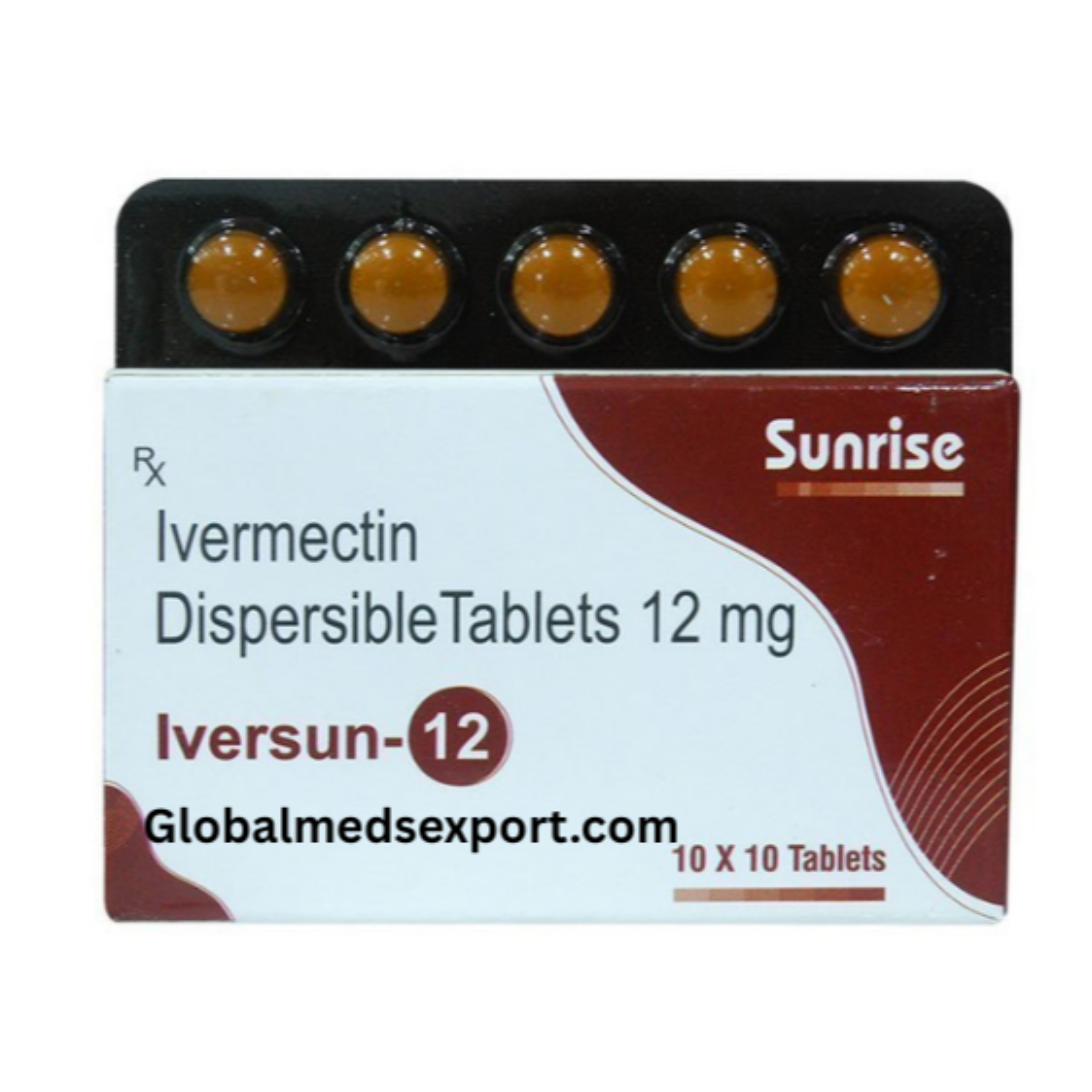
First discovered in the 1970s, this antiparasitic medicine has saved millions of lives and helped eliminate devastating tropical diseases such as river blindness and lymphatic filariasis.
Recognized by the World Health Organization (WHO) as an Essential Medicine, Ivermectin is considered one of the most important public-health breakthroughs of the 20th century.
Here’s how a single soil microbe led to one of humanity’s greatest medical success stories.
1. The Discovery – From Soil to Scientific Breakthrough
In the early 1970s, Japanese microbiologist Dr. Satoshi Ōmura of the Kitasato Institute was studying soil bacteria for potential medicinal properties.
From a soil sample collected near Kawana, Japan, he isolated a microorganism named Streptomyces avermitilis.
This organism produced compounds later known as avermectins — powerful antiparasitic agents.
Ōmura sent the cultures to Dr. William C. Campbell at Merck & Co., who modified the avermectin structure to create a more stable and safer derivative: Ivermectin.
Initially developed for veterinary use, Ivermectin proved extraordinarily effective against a wide range of animal parasites.
Its safety and potency quickly made it the gold standard in livestock parasite control.
2. The Move to Human Medicine
After seeing its success in animals, researchers explored whether Ivermectin could treat human parasitic diseases — particularly onchocerciasis (river blindness).
River blindness, caused by the parasite Onchocerca volvulus and spread by blackflies, afflicted millions across Africa and Latin America, leading to severe itching, disfiguring skin lesions, and permanent blindness.
Clinical trials in the early 1980s revealed that Ivermectin was safe, well-tolerated, and highly effective in killing the microfilariae (larval parasites) responsible for the disease’s symptoms.
3. The Mectizan Donation Program – A Humanitarian Milestone
Recognizing its potential for global health, Merck & Co. made an unprecedented commitment in 1987:
to donate Ivermectin (under the brand Mectizan) “to anyone who needs it, for as long as needed.”
This became the Mectizan Donation Program (MDP) — a collaboration among Merck, the World Health Organization (WHO), and global health partners.
🌍 Impact:
Distribution in over 35 countries across Africa, Latin America, and Asia
Over 3 billion doses administered since 1987
Near eradication of river blindness in multiple nations
Major progress in controlling lymphatic filariasis (elephantiasis)
The program remains one of the most successful public–private health initiatives in history.
4. Nobel Prize Recognition
In 2015, Dr. Satoshi Ōmura and Dr. William C. Campbell were awarded the Nobel Prize in Physiology or Medicine for their discovery of Ivermectin.
The Nobel Committee described it as a “transformative discovery that has revolutionized the treatment of parasitic diseases.”
Their achievement marked Ivermectin as one of the rare drugs whose impact rivaled that of penicillin and aspirin in public-health significance.
5. How Ivermectin Works – The Science Behind It
Ivermectin acts by binding to glutamate-gated chloride ion channels in the nerve and muscle cells of parasites.
This disrupts normal cell function, leading to paralysis and death of the parasite — without affecting human cells, since the drug cannot easily cross the human blood-brain barrier.
This mechanism makes it effective against:
Strongyloides stercoralis (intestinal threadworm)
Onchocerca volvulus (river blindness parasite)
Ascaris lumbricoides (roundworm)
Sarcoptes scabiei (scabies mite)
Pediculus humanus (head lice)
Because of its broad activity, safety, and affordability, Ivermectin became known as a “wonder drug” in tropical medicine.
6. Inclusion in the WHO List of Essential Medicines
The World Health Organization officially added Ivermectin to its Model List of Essential Medicines, a global catalogue of drugs deemed vital for meeting the most important health needs of humanity.
Why Ivermectin Qualifies as an Essential Medicine:
✅ Proven efficacy against a range of parasites
✅ Low toxicity and strong safety profile
✅ Ease of administration (single annual dose for some programs)
✅ Affordability and scalability for mass distribution
✅ Life-saving impact in endemic regions
Its inclusion cemented Ivermectin’s reputation as one of the most important medicines ever developed.
7. Global Health Impact
Since its introduction for human use in the 1980s, Ivermectin has had unmatched public-health impact, particularly in resource-limited regions.
🌍 Key Achievements:
River Blindness: Reduced cases by over 95% in Africa and Latin America.
Lymphatic Filariasis: Integral to global elimination programs targeting 600 million people.
Scabies & Head Lice: Effective topical formulations introduced