Ivermectin in Canada, Portugal, Finland, Austria, Croatia & Kazakhstan — General use and the cancer context
Short summary
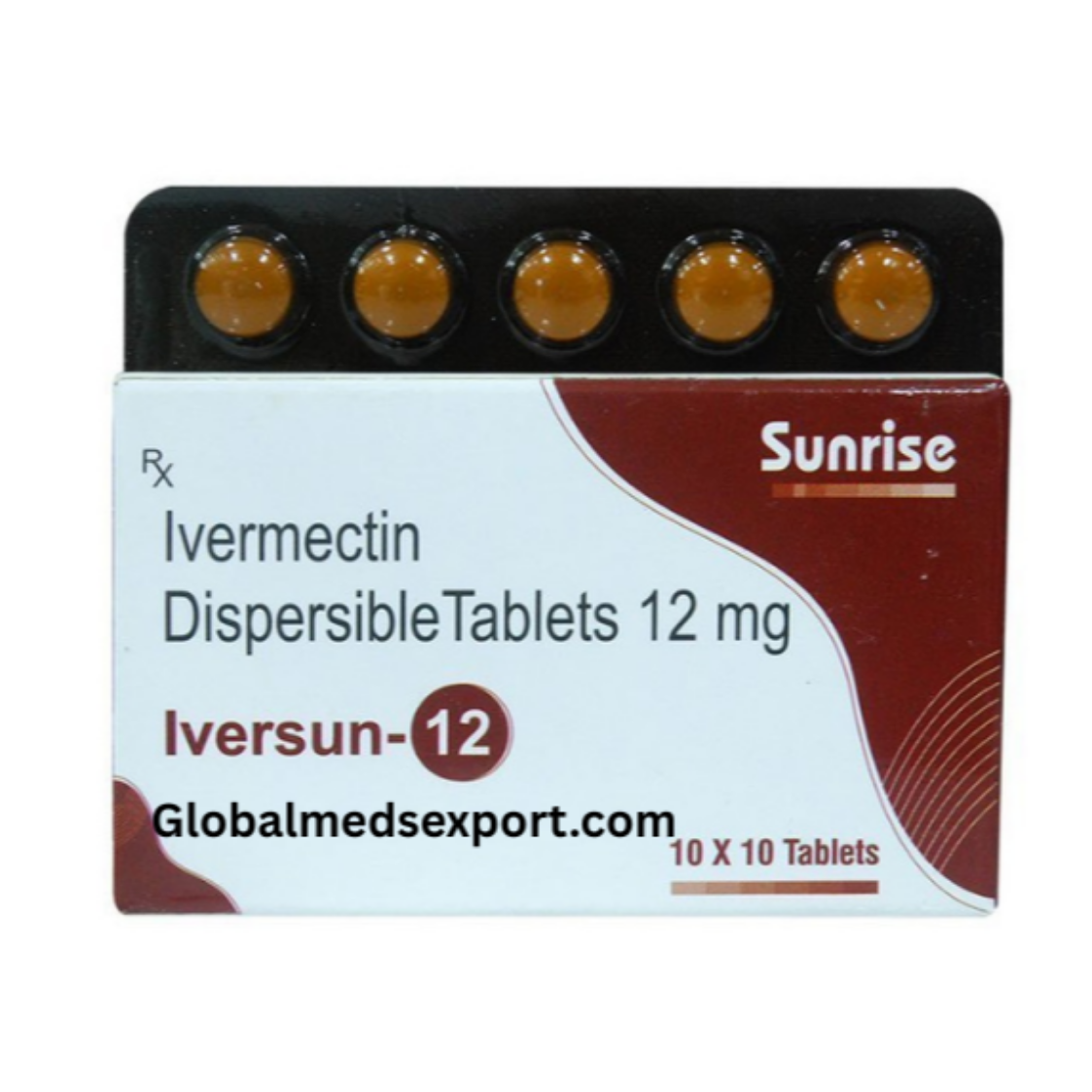
Ivermectin is an established antiparasitic medicine used worldwide for specific parasitic infections and some dermatological conditions. In recent years it has attracted attention for possible anticancer effects based on laboratory and early clinical research — but clinical evidence in humans is limited and major health authorities warn against using ivermectin for cancer outside approved clinical trials. If someone with cancer is curious about ivermectin, the safest path is to discuss it with an oncologist and, if appropriate, participate in a registered clinical trial.
PMC
+1
1) What ivermectin is — the general, approved uses
Primary approved uses: Ivermectin is an antiparasitic used to treat infections such as onchocerciasis (river blindness), strongyloidiasis and for some topical parasitic/dermatologic indications. Regulatory authorities list these as its evidence-backed uses.
PMC
+1
Regulatory caution: Because of its history of off-label promotion (e.g., for COVID-19) regulators in many countries emphasise that ivermectin should only be used for approved indications or within clinical trials for other uses.
European Medicines Agency (EMA)
+1
2) Why people talk about ivermectin and cancer
Laboratory signals: Preclinical studies (cell and animal experiments) have shown that ivermectin can interfere with pathways that are important in cancer cells (for example, Wnt/β-catenin, PI3K/Akt/mTOR) and can induce cancer cell death in certain models. These findings make it an interesting candidate for drug-repurposing research.
MDPI
+1
Early clinical exploration: There are a very small number of clinical studies and pilot trials exploring ivermectin in combination with other cancer therapies (for example, immunotherapy combinations). However, published human data are sparse and preliminary. One registered Phase II trial is an example of such early clinical research. This is research — not standard care.
ClinicalTrials
+1
Anecdotes & misinformation: Social media and a few high-profile anecdotal stories have amplified interest; health agencies warn this can create unrealistic expectations and unsafe self-medication.
KFF
+1
3) What research actually shows (straightforward)
Preclinical (lab/animal): Repeatedly shows anticancer activity across several cell types (breast, pancreatic, others) via multiple biochemical pathways. This supports further study but does not prove benefit in patients.
PMC
+1
Clinical evidence: Very limited. A handful of small, early-phase clinical studies or combination trials exist; reported patient responses are anecdotal or from very small cohorts. Large randomized controlled trials are lacking. In short — no robust clinical proof yet that ivermectin is an effective cancer therapy.
ClinicalTrials
+1
4) Country/regulatory notes (short & practical)
Canada
Ivermectin is an authorised product for certain parasitic infections; Health Canada treats off-label/experimental uses with caution and typically requires clinical trial frameworks or special access pathways for non-approved uses. Health Canada and Canadian pharmacy bodies advise against unsupported off-label use.
Canada Government
+1
Portugal / Finland / Austria / Croatia (EU context)
As EU member states, these countries follow European Medicines Agency (EMA) guidance. The EMA has advised against use of ivermectin for unapproved indications (e.g., COVID-19) outside clinical trials; the same careful approach applies to any non-approved cancer use. National regulators (e.g., INFARMED in Portugal) manage local authorizations and imports — any off-label cancer use should be handled only under research protocols and local regulatory approval.
European Medicines Agency (EMA)
+1
Kazakhstan
Regulatory frameworks vary; clinical and import rules differ from EU/Canada. There is limited public information about ivermectin-for-cancer activity locally — anyone considering investigational use should consult Kazakhstan’s national medicines regulator and an oncologist. (Local regulatory contact/check is required.)
Integrative Cancer Care
Bottom line for all countries: national regulators generally permit ivermectin for approved parasitic/dermatological uses; they do not endorse its routine use for cancer outside registered clinical trials. Always check the national regulator for exact import/usage rules.
European Medicines Agency (EMA)
+1
5) Safety, risks and why self-treatment is dangerous
Toxicity & interactions: Ivermectin at approved doses is generally safe for indicated uses, but higher or inappropriate dosing, or combining with other therapies, can be harmful. Side effects range from mild (nausea, rash) to severe neurologic effects in certain contexts. It can interact with other medications.
PMC
+1
Counterfeit / quality risk: Regulators have flagged counterfeit or substandard ivermectin sold online.